
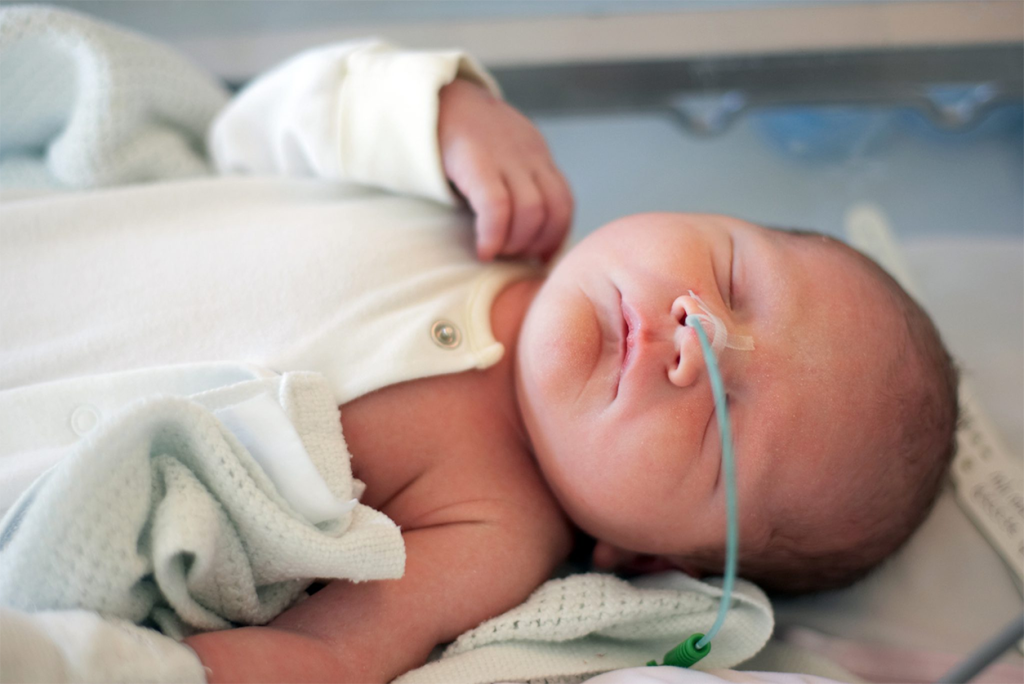
How to support baby's oral feeding skills while using a feeding tube
Some babies who are born prematurely or have a medical condition need help getting the nutrients they need to grow and develop. When they are unable to meet their nutritional needs with oral feeding on their own, a feeding tube may be necessary. A feeding tube is a small tube placed in a baby’s stomach that allows food and medications to enter.
Although it is common for babies who are born prematurely and have medical conditions to need a feeding tube, it can be very stressful and make parents feel like they’re “failing” if their baby needs more time to reach full oral feeds. It may be helpful to reframe and view the tube as a way to keep all oral feeding experiences feeling safe, comfortable, and positive so babies can get the vital nutrition they need while they work on becoming ready to be a full oral feeder.
A feeding tube provides an important safety net for parents to take the pressure off of them feeling like they need to get their baby to eat when they are not yet ready to do so. In order to build a solid oral feeding foundation and to meet oral feeding goals, babies first need to feel safe and comfortable when they are eating orally.
If a baby is not able to do this consistently, whether they don’t have enough energy yet or they are not yet physically ready or comfortable, the feeding tube ensures that all oral feeding experiences can feel positive. And when they are not, the tube allows the baby to get the nutrition they need.
How do feeding tubes help babies?
A feeding tube is a tool that allows babies to get the nutrients they need to grow and develop. It also protects the baby's relationship with the bottle and/or breast so that when they are physiologically ready to have full oral feeds they can do so comfortably and easily. This is key for long-term eating success.
Babies who are born prematurely and/or have medical complexities usually have unavoidable aversive experiences in the hospital because of the medical care they require — like NG tube placement and replacement, suctioning, frequent oral care, nasal cannula, CPAP placement, etc. This can make babies feel more stressed or uncomfortable with being touched in and around their mouths before they even start eating. Additionally, these babies are more prone to have more fatigue and gastrointestinal discomfort related to their prematurity or medical conditions, which often negatively impacts their ability to safely and comfortably eat by mouth. This can lead to babies associating their stress or discomfort with the bottle, taste of breastmilk/formula, or even the oral feeding situation.
This can condition babies to feel stressed or uncomfortable with eating by mouth, possibly leading to long-term tube dependence and impaired oral-feeding skills. In order to protect the relationship between the breast and bottle in the short- and long-term, tube feeding is used for safer, more comfortable feeding.