
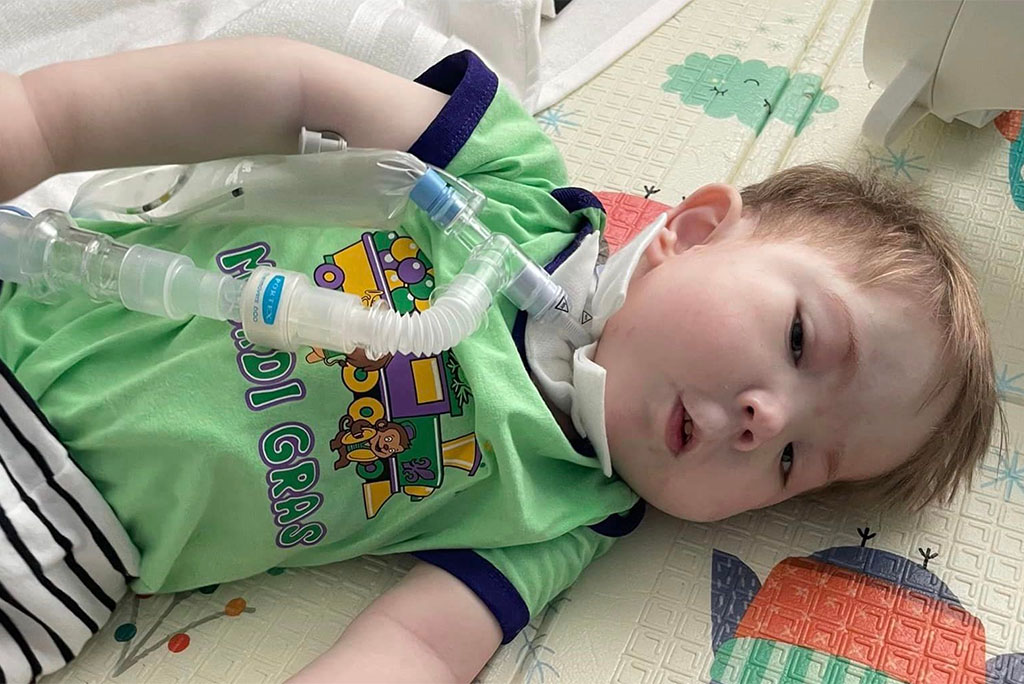
Navigating Pediatric Trach and Vent Care at Home: A Guide for Families
Transitioning from a hospital setting to home care with a child who requires a tracheostomy and a mechanical ventilator can feel overwhelming, but establishing a structured management routine is the key to safety and peace of mind. A tracheostomy (trach) is a surgically created opening in the neck that provides a direct, stable airway to the windpipe, often serving as the primary access point for a ventilator to assist or take over the work of breathing. Whether a child requires full-time mechanical support or only needs it during sleep, understanding the essentials of daily management, equipment troubleshooting, and emergency readiness allows families to provide expert pediatric home ventilator care.Why Some Children Require Trach and Vent Support
Children may benefit from a tracheostomy and ventilator for a variety of reasons, which generally fall into three categories:- Airway Obstructions: Structural issues like tracheomalacia (collapsible airways) or narrowing from trauma, infections, or scarring.
- Pulmonary Conditions: Chronic lung disease or severe complications from premature birth where the lungs require years of healing and assistance.
- Neuromuscular Disorders: Conditions that weaken the muscles responsible for breathing, making it difficult for the child to clear secretions or expand their lungs naturally.
According to experts at Johns Hopkins Medicine, a trach tube not only eases long-term mechanical ventilation but also serves as a crucial tool when gradually transitioning a child off respiratory support.
Key Elements of Daily Management
Because a tracheostomy bypasses the nose and mouth, the body's natural filtration, warming, and humidification systems are lost. This makes diligent daily maintenance essential to protect the lower respiratory tract.1. Secretion Management and Suctioning
A trach tube limits a child's natural ability to clear mucus, meaning caregivers must perform regular suctioning. Suctioning is necessary when you hear rattling, see visible secretions, or notice signs of respiratory distress. Caregivers should always measure the safe suction depth using a spare trach tube to prevent tissue irritation inside the trachea.
2. Humidification and Skin Care
To replace the moisture normally provided by the nasal passages, children should use humidification devices, such as a heat and moisture exchanger (often called an artificial nose or Humid-Vent). Keeping the skin around the opening (stoma) clean and dry reduces the risk of bacterial infections. Clean the stoma daily and replace gauze sponges to keep the area secure.
3. Routine Tube and Tie Changes
Trach ties must be kept snug to prevent accidental dislodgement, while routine trach tube changes ensure the airway remains clean and clear of blockages. Tube changes should always be performed by individuals trained in pediatric tracheostomy care and should ideally involve two people—one to secure the old tube and one to quickly position the new one.
Ensuring Safety and Emergency Readiness
Preparation is the single most vital component of managing a ventilator-dependent child at home. Caregivers must have immediate access to specialized backup gear at all times.
- The Emergency Go-Bag: Whenever leaving the bedside or traveling, a fully stocked "Go-Bag" must accompany the child. This bag contains a portable suction machine, catheters, a backup trach tube of the same size, an emergency trach tube one size smaller, lubricating jelly, and manual resuscitation equipment.
- Manual Ventilation Protocol: If a ventilator malfunctions or disconnects, caregivers must be ready to deliver rescue breaths. Guidance from Nationwide Children's Hospital outlines that a self-inflating resuscitation bag (Ambu bag) should be connected directly to the trach tube to manually support the child until the mechanical issue is resolved.
Fostering a Full Life at Home
While managing medical equipment requires strict attention, it does not mean your child cannot enjoy a vibrant, active lifestyle. With stable home care and specialized equipment, children on ventilators can participate heavily in family and community events. Adaptive strollers and motorized wheelchairs are frequently modified to securely hold portable ventilators, allowing children to visit parks, museums, and zoos. Furthermore, a significant majority of medically stable children with mechanical ventilation successfully attend school, play games, and engage with peers while achieving milestone developmental goals.
Partnering with home health agencies, respiratory therapists, and specialized medical equipment vendors builds a reliable safety net, transforming complex clinical care into a manageable, empowering daily routine.